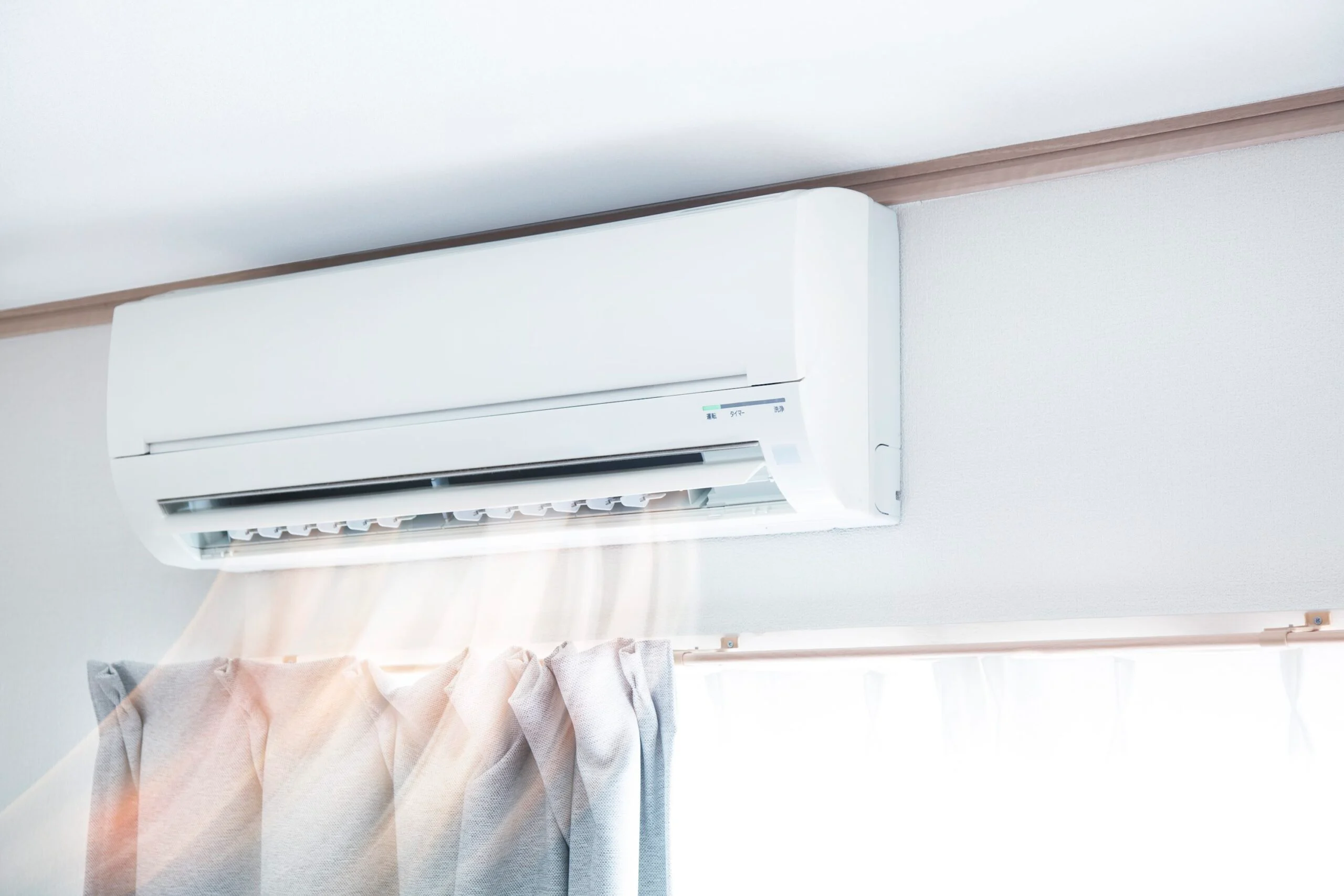
The 3-minute rule: wait at least three minutes before restarting an air conditioner after it shuts off.
Most modern thermostats enforce this automatically, which is why you sometimes flip the system on and nothing happens for a few minutes. That delay is deliberate and it is protecting the most expensive part of your system.
Why three minutes
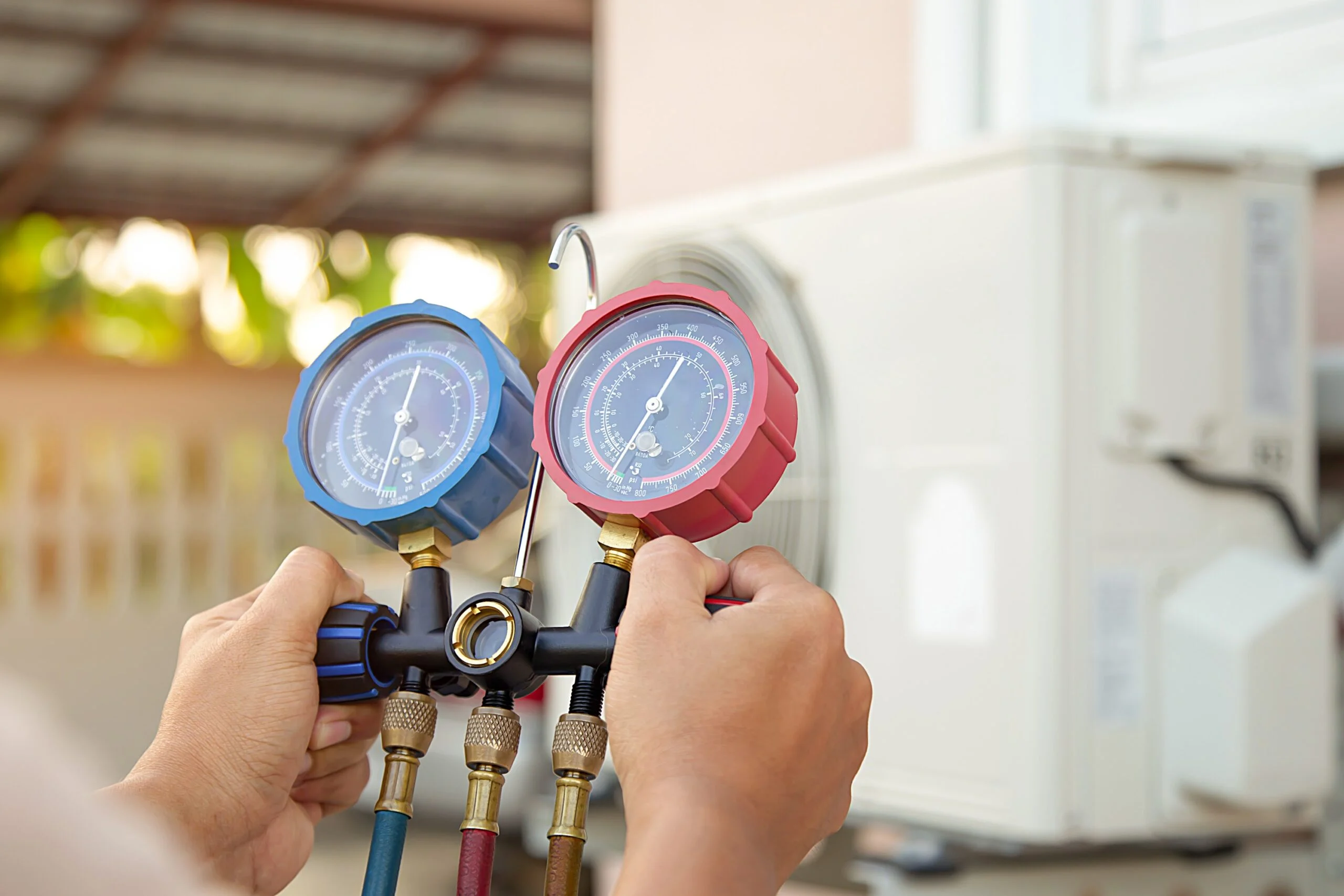
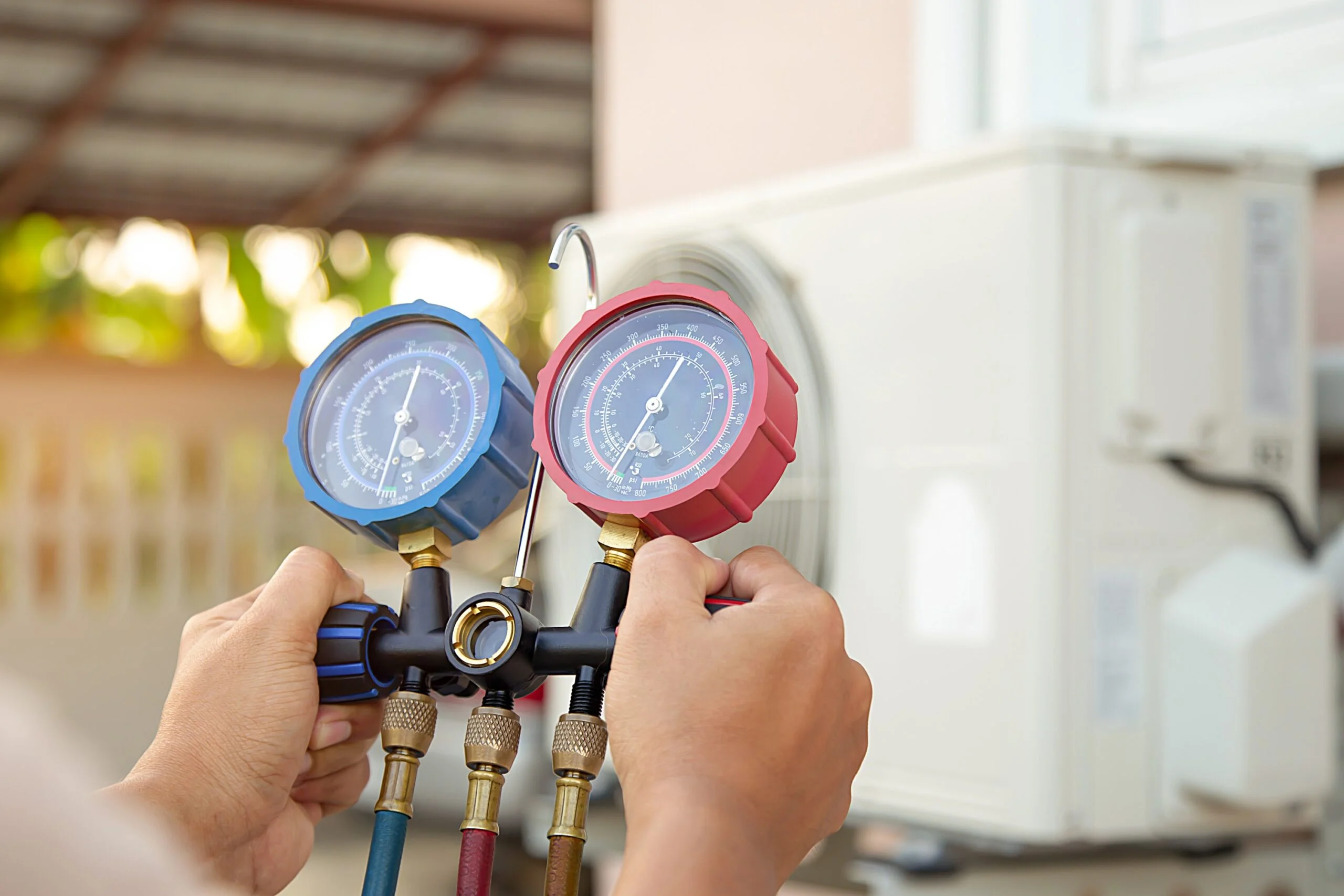
When the compressor stops, refrigerant pressure on the high and low sides of the system is unequal. It takes a few minutes to equalize.
Try to start the compressor before that happens and it is working against that pressure difference. That means a much higher starting current draw, real mechanical strain, and often a tripped breaker. Do it repeatedly and you shorten the compressor’s life, which on most systems is the repair that ends the system’s economic life.
When this actually comes up
After a power outage or a storm. This is the big one on this coast. Utilities do not restore power cleanly, and the surges and brownouts during restoration are harder on a compressor than the outage itself. Leave the system off at the thermostat for a few minutes after power returns.
When you are troubleshooting. The instinct when something seems wrong is to switch it off and straight back on. Give it the three minutes.
After adjusting the thermostat repeatedly. Nudging the temperature up and down can cycle the compressor faster than it should run.
The related rules worth knowing
The 20-degree rule. An air conditioner can generally only cool the air about 20 degrees below the outdoor temperature. On a 98-degree Englewood afternoon, an indoor temperature around 78 is the system working correctly, not failing. If you have set it to 72 and it will not get there, that is often physics rather than a fault.
The short-cycling problem. If your system turns on and off every few minutes on its own, that is not the 3-minute rule at work, that is short-cycling, and it is a fault. Common causes are an oversized system, a dirty filter restricting airflow, low refrigerant, or a thermostat in a bad location. It is worth diagnosing, because short-cycling wears the compressor and leaves the house humid even when it reads the right temperature.
The 1-inch filter rule. A standard 1-inch filter in Florida needs changing every 30 to 60 days, not the 90 days printed on the box. Our systems run more hours and move more dust.
The one that matters most here
If your air conditioner is short-cycling, do not ignore it because the house feels roughly right. In this climate the second job an AC does, pulling moisture out of the air, only happens during long steady runs. A short-cycling system cools without dehumidifying, and a house that sits at high humidity for years develops problems that outlast the equipment.
If your system is cycling every few minutes, or the house is at temperature but feels damp, get it looked at.