
The manufacturer’s answer is 15 to 20 years. The Florida answer is shorter. The coastal Florida answer is shorter again.
The realistic numbers
Inland Florida, well maintained: 12 to 15 years. Systems here run close to year-round, which means an air conditioner here does considerably more running hours in a decade than one in a climate with a real winter. That alone takes years off the manufacturer’s figure.
Within a few miles of the Gulf, without proactive corrosion care: 8 to 12 years. Salt is the difference. It corrodes the outdoor coil and the electrical components, and once a coil perforates and leaks refrigerant, the economics of repair usually stop working.
That four-year gap is not fate. It is largely a maintenance and specification outcome.
What actually determines where your system lands
How often the condenser coil gets rinsed. This is the biggest single lever. Salt that sits on the coil keeps working. Salt that gets rinsed off does not. For homes within a few miles of the water, twice-yearly service rather than annual is the meaningful change.
Whether the equipment was specified for the exposure. Coated or epoxy-treated coils, sealed or elevated electrical compartments, and stainless hardware directly target coastal failure. If your system was specified as a standard inland unit, it will not last as long as one that was not.
Whether the system was correctly sized. An oversized system short-cycles, and short-cycling is hard on a compressor. Every start is the highest-stress moment in the cycle, and a system that starts twice as often ages faster.
Whether the condensate drain has been maintained. A chronically backed-up drain means water where it should not be, which corrodes the air handler from the inside and can shut the system down repeatedly.
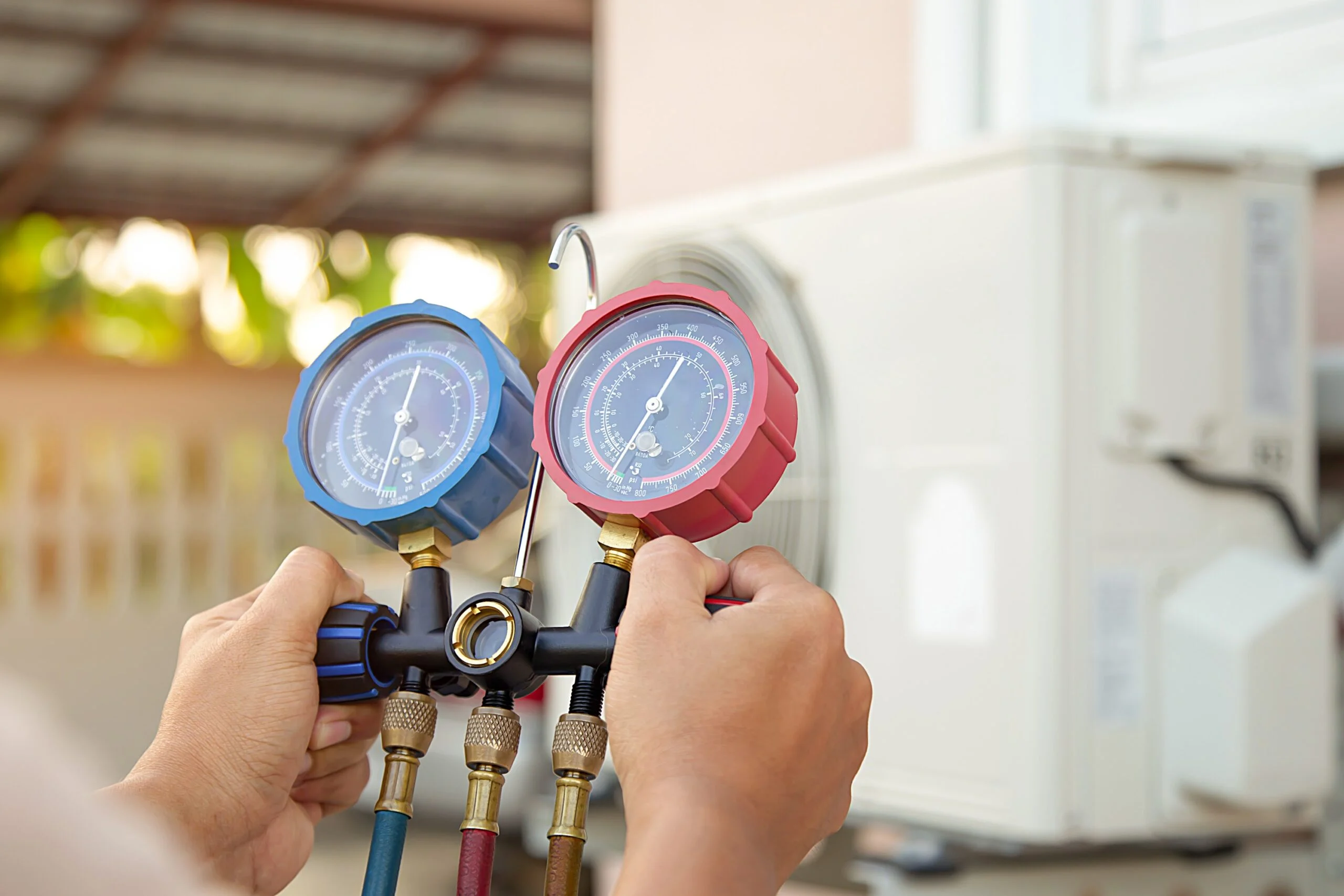
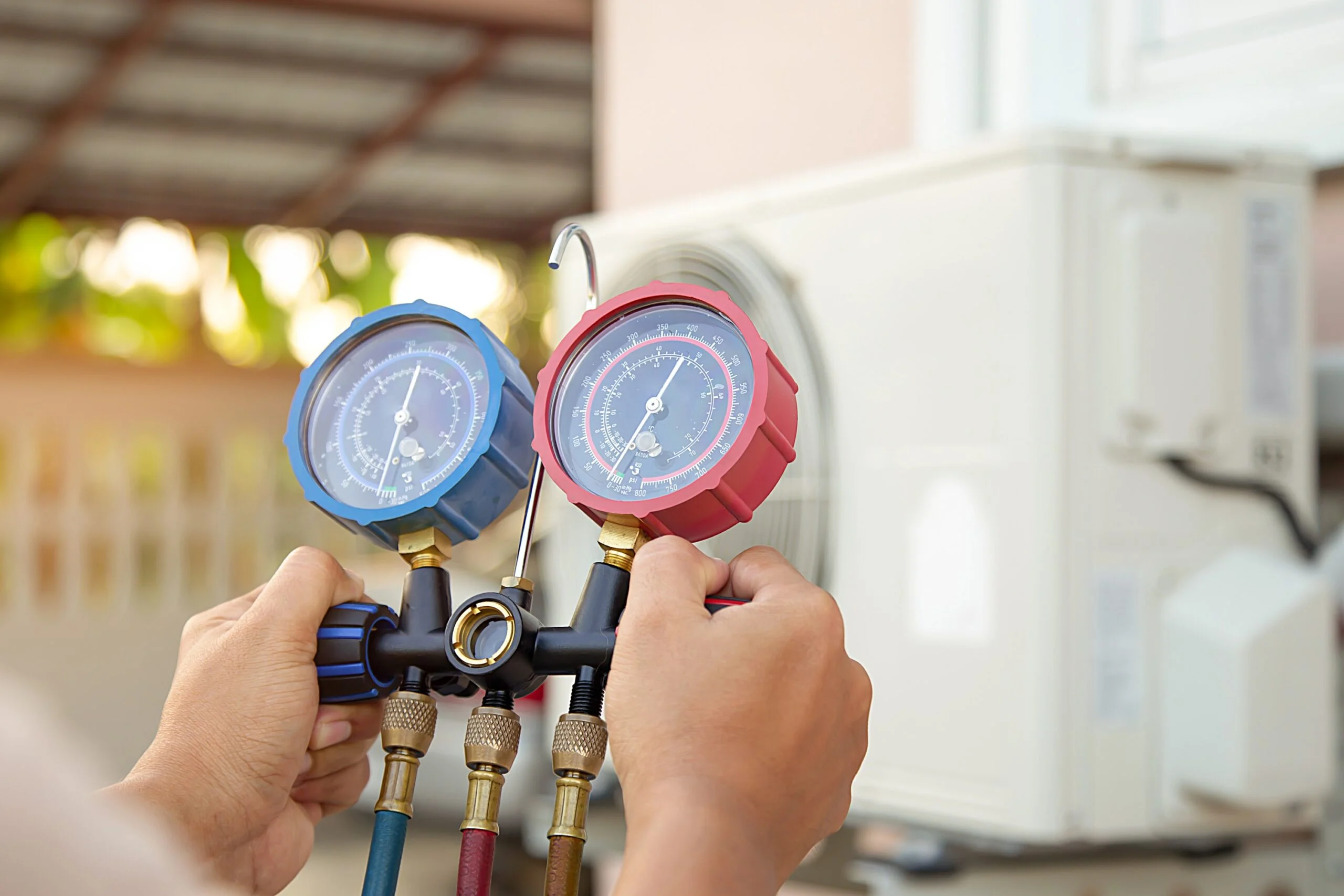
Whether it has been running with low refrigerant. A system with a slow leak that nobody found runs hot and works the compressor harder than it should for months or years before it fails outright.
Signs your system is approaching the end
Age alone is not the deciding factor. These are:
- Repeat repairs. Two significant repairs in two years on a system past its tenth year usually means the third is coming.
- Refrigerant top-ups. Refrigerant is not consumed. If it needs topping up, it is leaking, and on an older system finding and fixing the leak is often more than the system is worth.
- A corroded or perforated coil. Coil replacement is one of the most expensive repairs there is. On an older system it rarely makes sense.
- Rising bills with no other explanation. Efficiency loss is gradual and easy to miss until you compare year over year.
- Rooms that never quite cool. Sometimes ducts, sometimes a system that no longer has the capacity it once did.
The honest repair-or-replace calculation
The test is the cost of the repair against the remaining life of the system, and remaining life on this coast runs shorter than most homeowners assume.
A large repair on a 10-year-old Englewood system is often money spent on equipment that has already used most of its life. That does not automatically mean replace. It means the calculation is different from the one you would run inland, and you should have both numbers in front of you.
There is also a legitimate third option that gets skipped: repair now and plan a replacement for the shoulder season rather than in August. Replacing on your schedule is cheaper and less stressful than replacing on the system’s schedule.
One factor worth checking
If your system is old enough to run an older refrigerant that is being phased down, the economics shift. As supply tightens, the cost of a recharge climbs, and a repair that would have made sense a few years ago may no longer.
Ask which refrigerant your system uses. It is one of the few genuinely objective inputs in a decision that otherwise runs on judgment.
What to do about it
If your system is between five and eight years old and you live near the water, the highest-return thing you can do is get the corrosion side under control now. Coil rinsing on a proper schedule, and an honest look at the electrical compartment and fin condition.
That is the window where you can still influence which end of the 8-to-15 range you land on. Past year ten, you are mostly managing the descent.