There is a complaint we hear constantly in Southwest Florida, and it is worth naming precisely because the obvious fix is the wrong one.
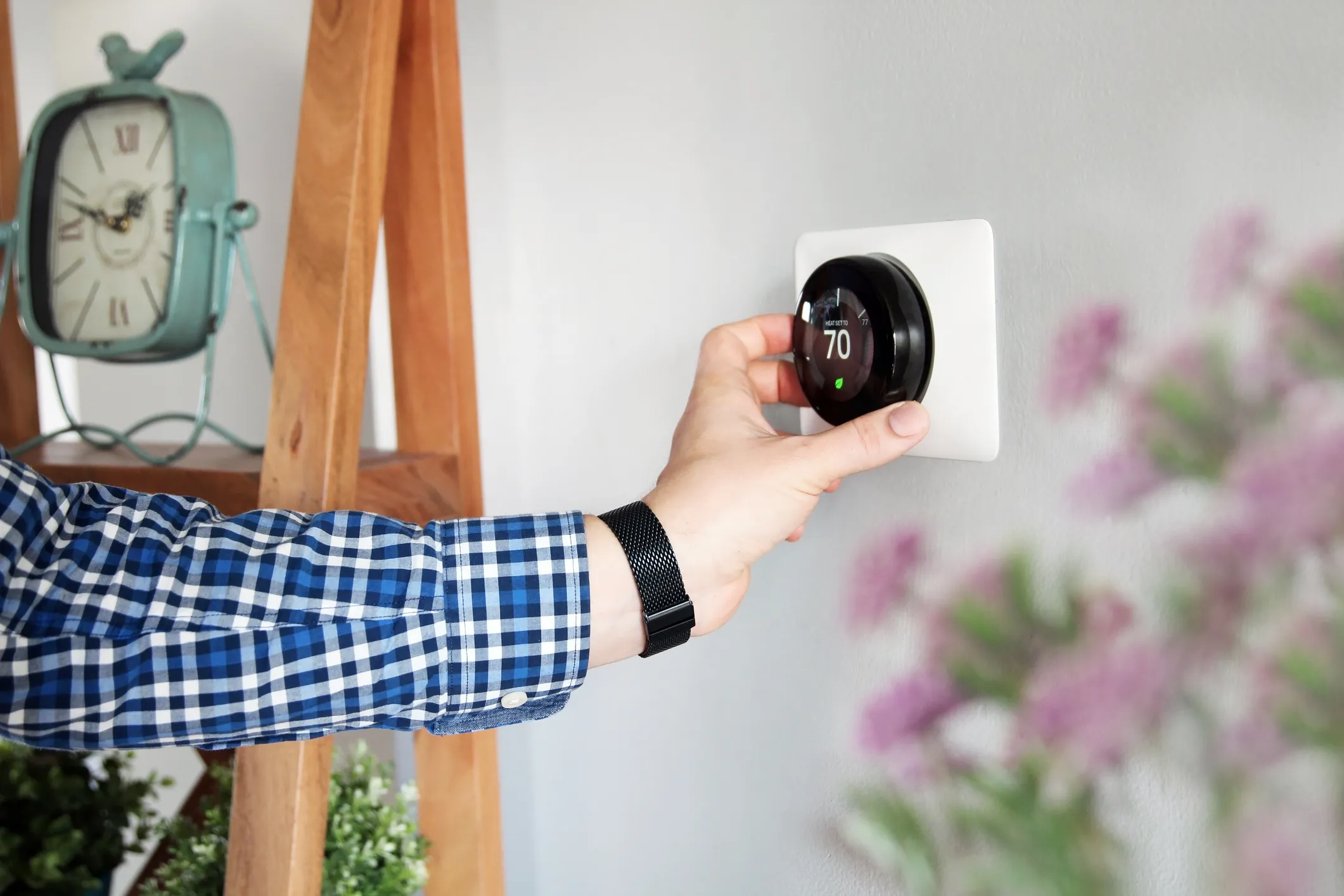
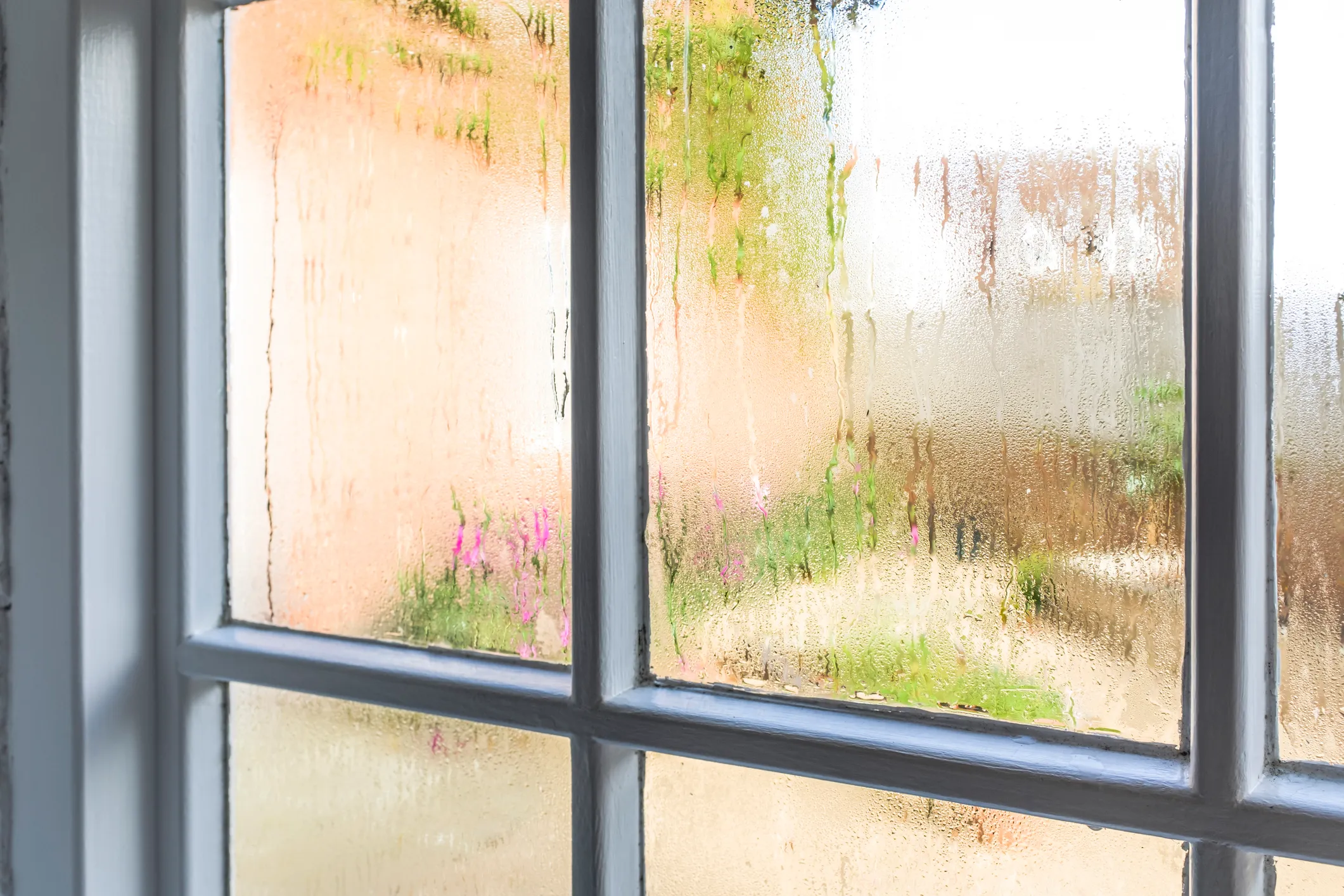
The thermostat reads 74. The system is running. The house still feels wet.
This is not a cooling problem
Your air conditioner does two jobs. It lowers temperature, and it removes moisture. Those happen through the same process but on different timescales.
Cooling is fast. Air passes over a cold evaporator coil and drops in temperature almost immediately.
Dehumidification is slow. Moisture has to condense out of that air onto the coil surface and drain away, and that only happens meaningfully once the coil has been cold for a sustained period and air keeps moving across it.
A system that runs in short bursts cools the house without ever getting far into the second job.
Which usually means the system is too big
This is the uncomfortable part, because it is a problem created on installation day.
An oversized air conditioner reaches the thermostat setpoint quickly, satisfies, and shuts off. It might run for eight minutes at a time. In those eight minutes it drops the temperature nicely and removes very little moisture. Then it stops, the moisture stays in the house, and the cycle repeats.
A correctly sized system runs longer, gentler cycles. It takes more time to reach the setpoint, and during that time it is steadily pulling water out of the air. The house ends up at the same temperature and considerably drier.
Bigger is not better in a humid climate. It is actively worse.
Why turning the thermostat down makes it worse
The instinctive response to a clammy house is to lower the setpoint. It sort of works, in the sense that a colder house feels less humid even at the same relative humidity.
But you are now paying to overcool the house to mask a moisture problem, and you have not fixed anything. The system still short-cycles, the humidity is still high, and your bill went up.
The other causes worth ruling out
Oversizing is the most common answer but it is not the only one.
Leaking return ductwork. If return duct in a hot attic is drawing in attic air, you are continuously feeding humid air into the system. This is common in older Englewood housing where the duct is original to a 1970s build.
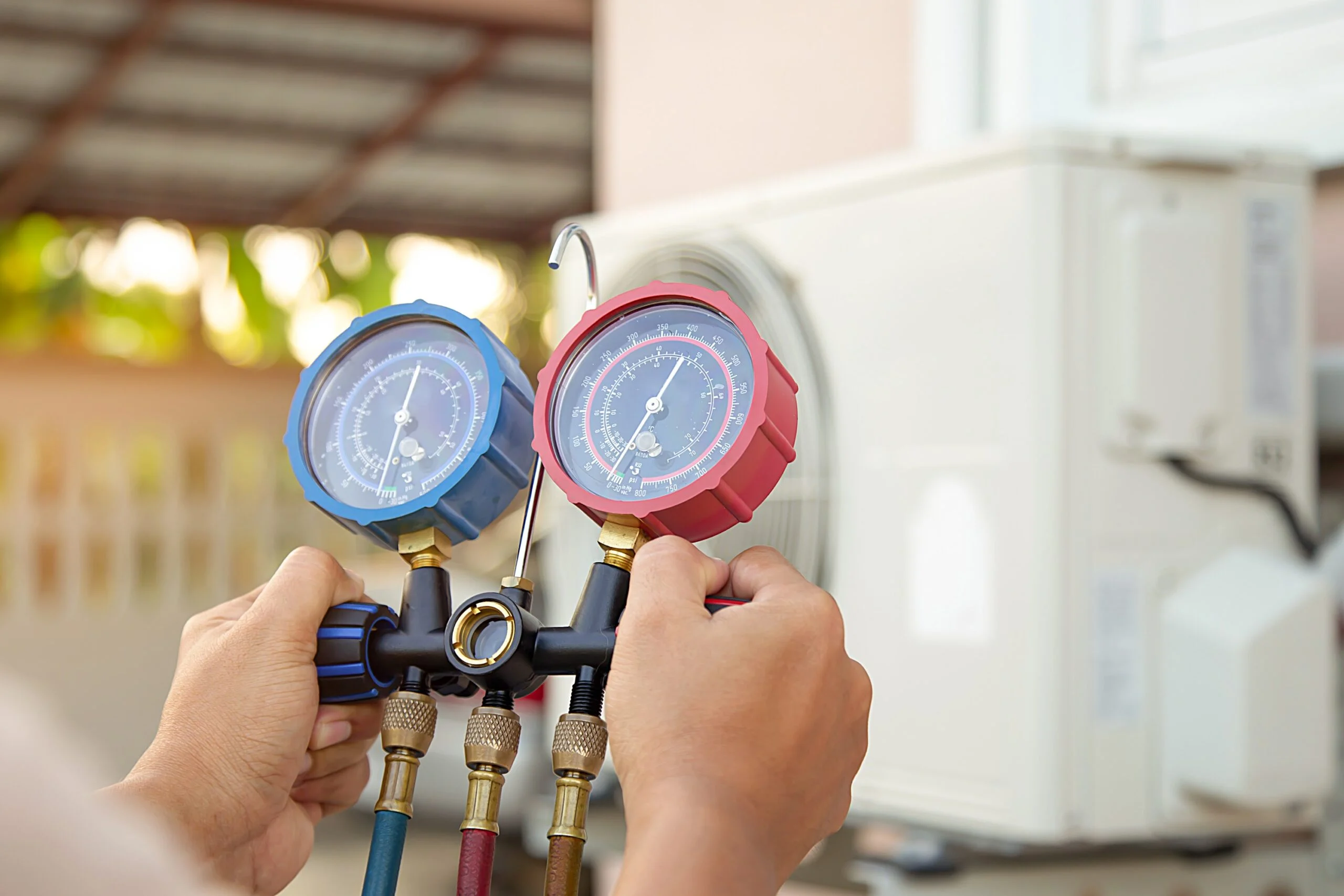
A dirty evaporator coil. A coil coated in dust cannot condense moisture efficiently. This is one of the things a proper maintenance visit addresses.
Airflow that is too high. Counterintuitively, pushing air across the coil too fast reduces dehumidification, because the air does not spend long enough in contact with the cold surface. Blower speed is adjustable on most systems.
A blocked or slow condensate drain. If the water that condenses cannot leave, it re-evaporates into the airstream and goes straight back into your house.
What actually fixes it
If you are replacing the system anyway: insist on a load calculation rather than a like-for-like swap. Replacing an oversized system with another oversized system repeats the problem for another decade. A variable-speed system helps considerably here, because it can run long, low-output cycles that are excellent at dehumidification.
If the system is otherwise fine: a dedicated whole-home dehumidifier handles moisture independently of temperature. That lets you sit comfortably at a higher, cheaper setpoint, because a dry 77 feels better than a damp 73.
If the ducts are suspect: fix the ducts first. Sealing leaking return duct in an attic is usually cheaper than either of the above and sometimes solves the whole thing.
The number to aim for
Indoor relative humidity under 60 percent. If you are controlling with a humidistat, set it to 58, because those sensors can read up to 10 percentage points off and the margin protects you.
Above 60 percent you are in the range where mold, dust mites, and that persistent musty smell become genuine possibilities rather than theoretical ones. In a house that spends decades in this climate, that matters more than the comfort question.
Worth saying plainly
If a contractor responds to “my house feels humid” by quoting you a larger system, get a second opinion. That is the one answer guaranteed to make it worse.